Some nights the microwave feels like the only thing standing between a calm evening and complete mealtime chaos. One wrong button, and suddenly dinner is either half-frozen or bubbling like a volcano. It’s a small appliance, but when it misbehaves, it can disrupt the entire rhythm of the kitchen. When frustration starts to kick in, it never hurts to check in with our experts at Doug's Maytag Home Appliance Center for a little clarity and confidence.
1. Cold-Center Chaos: Why Your Leftovers Never Heat Evenly
Some leftovers come out of the microwave hotter than the sun on the edges and ice-cold in the middle. It feels personal, but it’s just the way heat moves in the dish.
The Problem: Food piled in the center blocks heat, and dense spots warm more slowly than thinner edges. The energy doesn’t reach the middle evenly, so you end up chasing hot and cold bites around your plate.
The Hack: Shape your leftovers into a little “donut” with an open space in the middle. It gives the microwave a clear path, helping everything heat at the same pace so you’re not stuck stirring halfway through.
2. The Water Trick That Saves Dry Food
Reheated chicken shouldn’t feel like chewing on a pencil. Yet somehow, a quick zap can turn good leftovers into dry, rubbery regret — especially anything that loses moisture fast.
The Problem: Meats, grains, and pasta tend to dry out in the microwave because the heat pulls moisture from the surface. That’s how chicken turns tough, rice gets chalky, and noodles turn stiff around the edges.
The Hack: Place a small cup of cold or room-temperature water next to your dish before reheating. As it warms, it releases steady steam — even in a short 1–2 minute cycle — helping foods that naturally dry out (such as chicken, rice, pasta, and casseroles) stay tender and moist instead of becoming tough.
3. The Plate Position Secret Everyone Gets Wrong
Most people plop their food right in the center of the plate and hit start. Then they wonder why half the meal comes out piping hot while the rest feels untouched. Center loading is the silent culprit behind so many sad reheats.
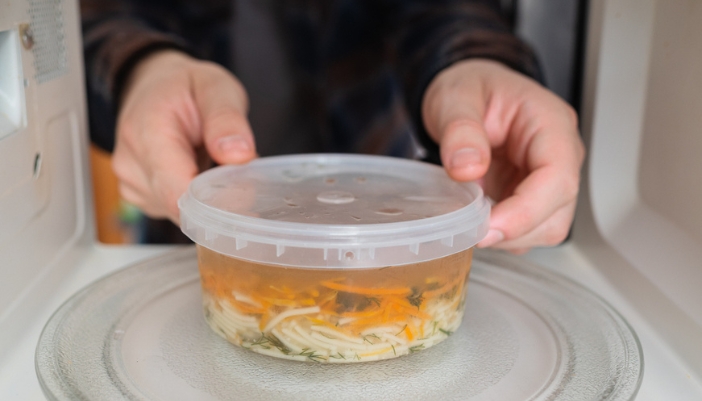
The Problem: Microwave energy doesn’t hit the dead center of the turntable as strongly as the outer edge. When your food sits directly in the middle, it warms more slowly and far less evenly.
The Hack: Shift your dish toward the outer edge of the turntable before reheating. That spot gets more consistent energy as it spins, so everything warms faster and with fewer cold surprises.
4. Covering Your Food Without Making It Mush
Covering food can be helpful, but not when it turns a crisp dinner into a damp disappointment. Some leftovers need protection in the microwave — others need breathing room.
The Problem: Foods that already have moisture on the surface — such as vegetables, sauced dishes, or anything with a crisp edge — can become soggy when fully covered. A sealed lid traps steam, which softens textures you’re trying to keep firm.
The Hack: Use a microwave-safe cover, but leave a small vent so steam can escape. This works best for foods that need controlled moisture, not extra moisture — think steamed veggies, saucy dishes, leftovers with breading, or anything you want to heat without turning limp.
5. Speed Moves for Busy Nights
When dinner needs to happen fast, the microwave can pull off more than most people realize. It’s not just for reheating — it can handle plenty of quick-cook foods all on its own.
The Problem: Stovetop sides, such as vegetables, potatoes, rice, or even simple proteins, take longer than you expect once you factor in boiling, steaming, or constant stirring. On a busy night, that kind of time adds up.
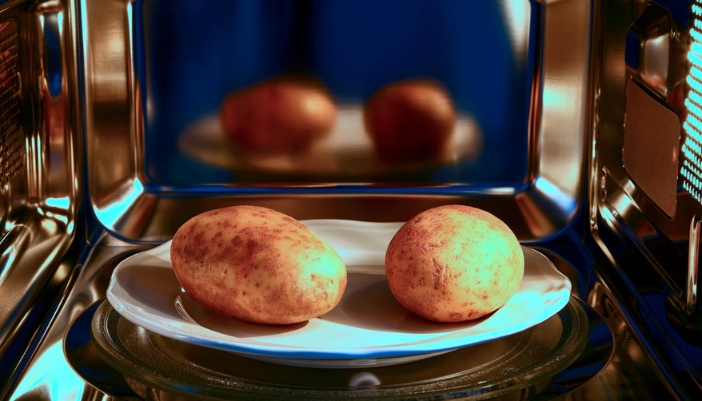
The Hack: Use the microwave as your go-to for quick-cook items. Steamed vegetables, baked-style potatoes, simple rice, scrambled eggs, and even potstickers can all be made, start to finish, in just a few minutes. It’s an easy way to round out dinner without babysitting a pot or pan.
6. Using the Microwave to Boost Other Appliances
Some kitchen tasks feel slow because certain steps take forever. That’s where the microwave steps in. It gives your other appliances a head start, so the whole meal comes together faster.
The Problem: Ovens and ranges can handle the heavy lifting, but they’re not always quick. Dense ingredients, cold items, or anything that needs softening can add extra minutes you don’t have. Waiting on those slow parts can throw off the timing for the entire meal.
The Hack: Use the microwave to prep ingredients before they move to the oven or stovetop. Softening butter, warming liquids, jump-starting potatoes, or bringing ingredients to room temperature speeds up cooking without sacrificing quality. It keeps everything moving, allowing your range and oven to do their jobs more efficiently.
A Little Heat Goes a Long Way
Microwaves make life easier… until they don’t. Slow heating, hot-and-cold pockets, or buttons that only work when they’re in the mood are small signs that the appliance might be slipping. That’s when a quick question for our experts at Doug's Maytag Home Appliance Center can save a lot of guesswork and help point toward a better fit for how a home actually cooks!
Questions always lead to better kitchen decisions, and our team is ready to help figure out what’s holding things up — or what an upgrade could make simpler. Stop by anytime to Contact: explore our selection, take a look at new options, or just talk through what would make weeknight cooking smoother.